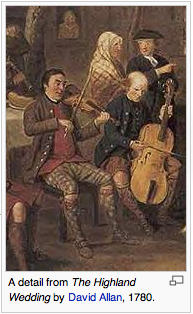
 Our program (11 minutes and 22 seconds) features music of the Scottish baroque:
- Anonymous “Scottish Lament”
- “A Scot’s Tune” from Jane Pickering’s lute book”I never knew I loved thee” from the Rowallen lute book
- “Kinloch, His Fantasy” by William Kinloch
This performance by Ars Antigua directed by Jerry Fuller, features William Bauer, renaissance and baroque violins; Jeff Noonan, lutes and theorbo; and Henry Claude, tabor. In the early seventeenth century the bagpipe was declared too loud to be kept inside the castles and manor houses of the Scottish lowlands. The violin became the dominant indoor instrument and because the violin is tuned in fifths, it began to share the traditional bagpipe repertoire. The Lament was meant for a 16th century funeral procession, but in typical Scots’ fashion, can’t seem to remain somber for long.
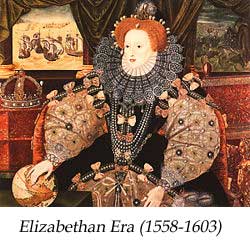 Our program “Elizabethan Delites” (10 minutes and 41 seconds) features:
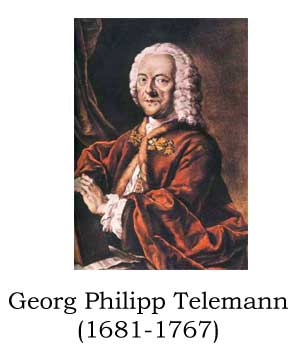 Our program this month (13 minutes and 57 seconds) features the rarely performed Concerto for